What the heck is asynchronous communication anyway - Twist
tags:: #source/article Asynchronous Work Productivity The Calm Company Twist
author:: Amir Salihefendic
Source
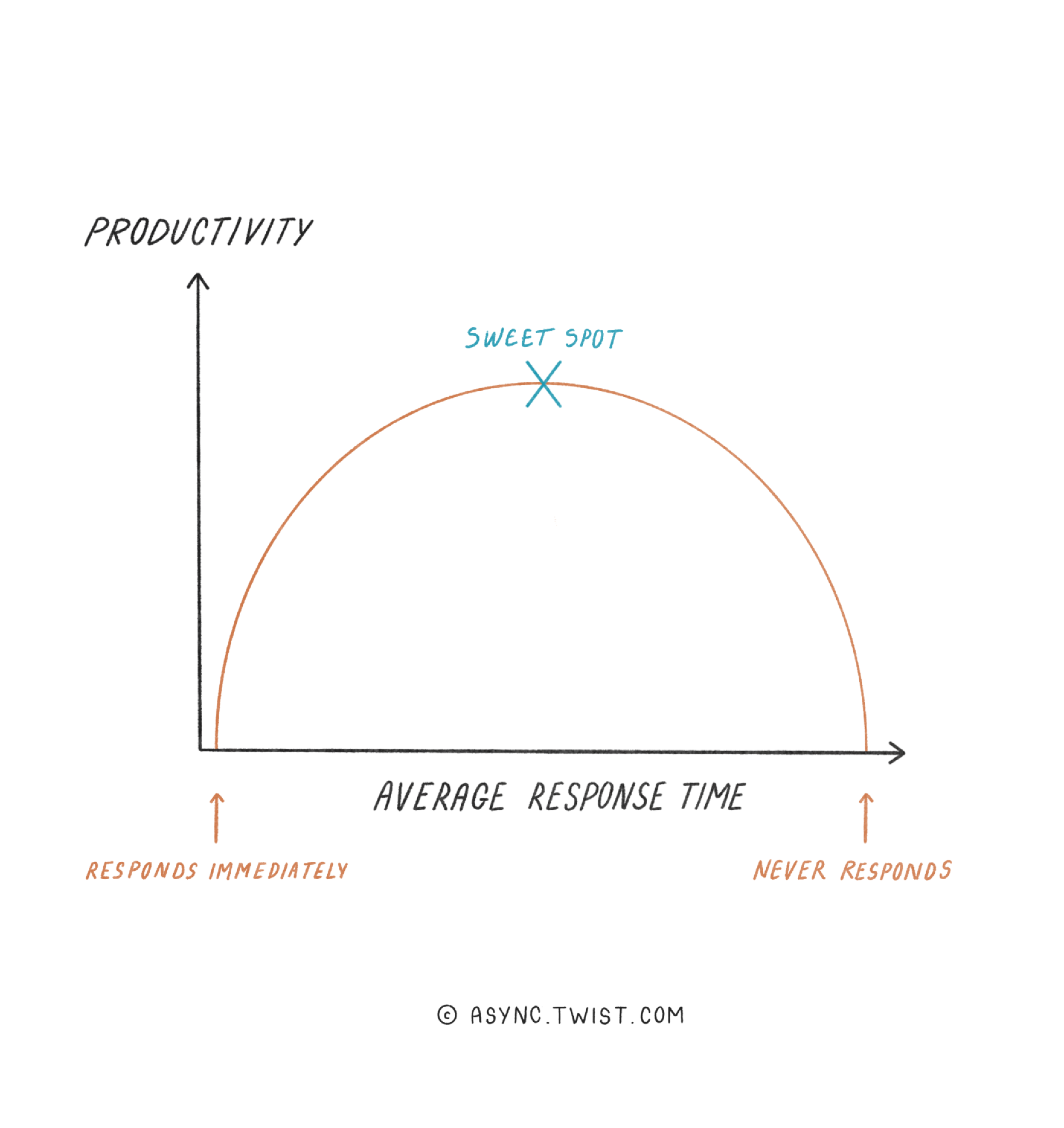
Teams who try to go remote without putting in place tools, workflows, and norms for asynchronous communication will fail.
Not only does async produce the best work results, but it also lets people do more meaningful work and live freer, more fulfilled lives. It's a game-changer even for co-located teams, but it's an absolute must for teams collaborating remotely.
asynchronous communication is when you send a message without expecting an immediate response
synchronous – or real-time – communication is when you send a message and the recipient processes the information and responds immediately
But digital forms of communication, like real-time chat messaging, can be synchronous too. You send a message, I get a notification and open up Slack to read the message and respond to what you said in near real-time.
Real-time communication Asynchronous communication Communication requires all team members to be present simultaneously, in meetings and video calls or respond quickly to work chats or emails.
Everyone is tied to more or less the same work schedule.
Prioritizes speed of collaboration. Communication happens in writing or prerecorded video with team members catching up and responding on their own schedules.
Everyone can work when it works best for them.
Prioritizes focus and flexibility.
According to the Harvard Business Review article “Collaborative Overload”, the time employees spend on collaboration has increased by 50% over the past two decades. Researchers found it was not uncommon for workers to spend a full 80% of their workdays communicating with colleagues
This trend toward near-constant communication means that the average knowledge worker must organize their workday around multiple meetings with the time in between spent doing their work half-distractedly with one eye on email and Slack.
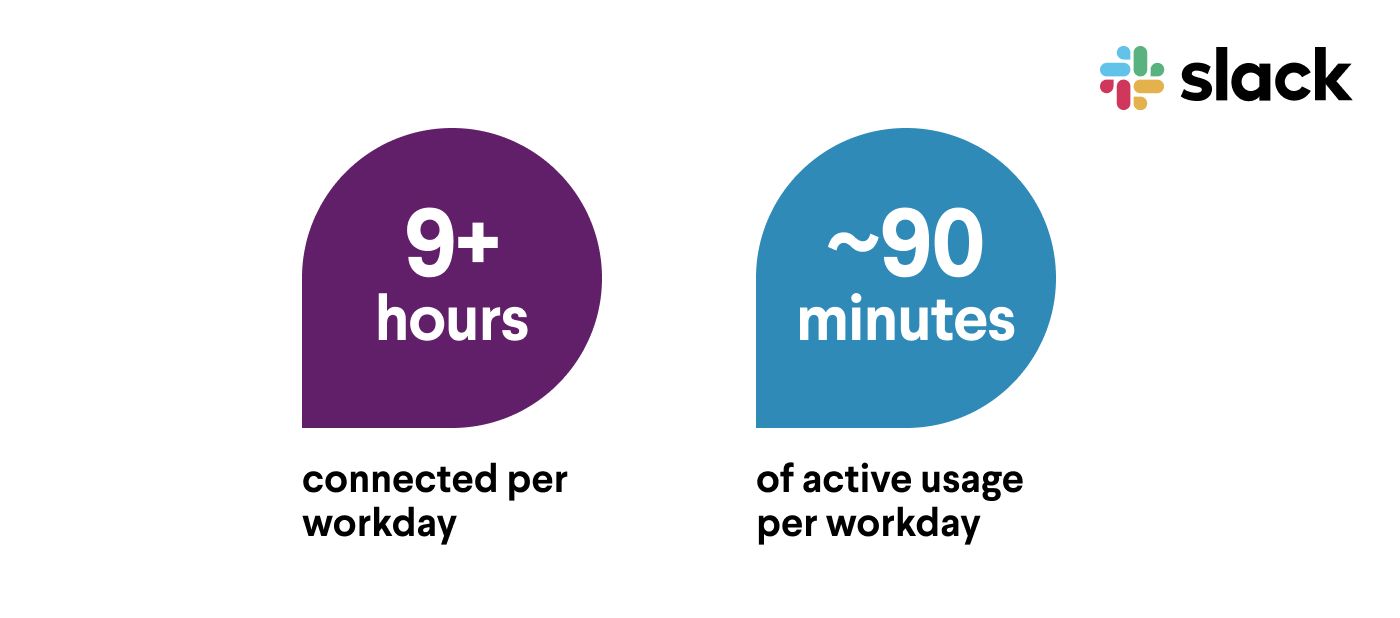
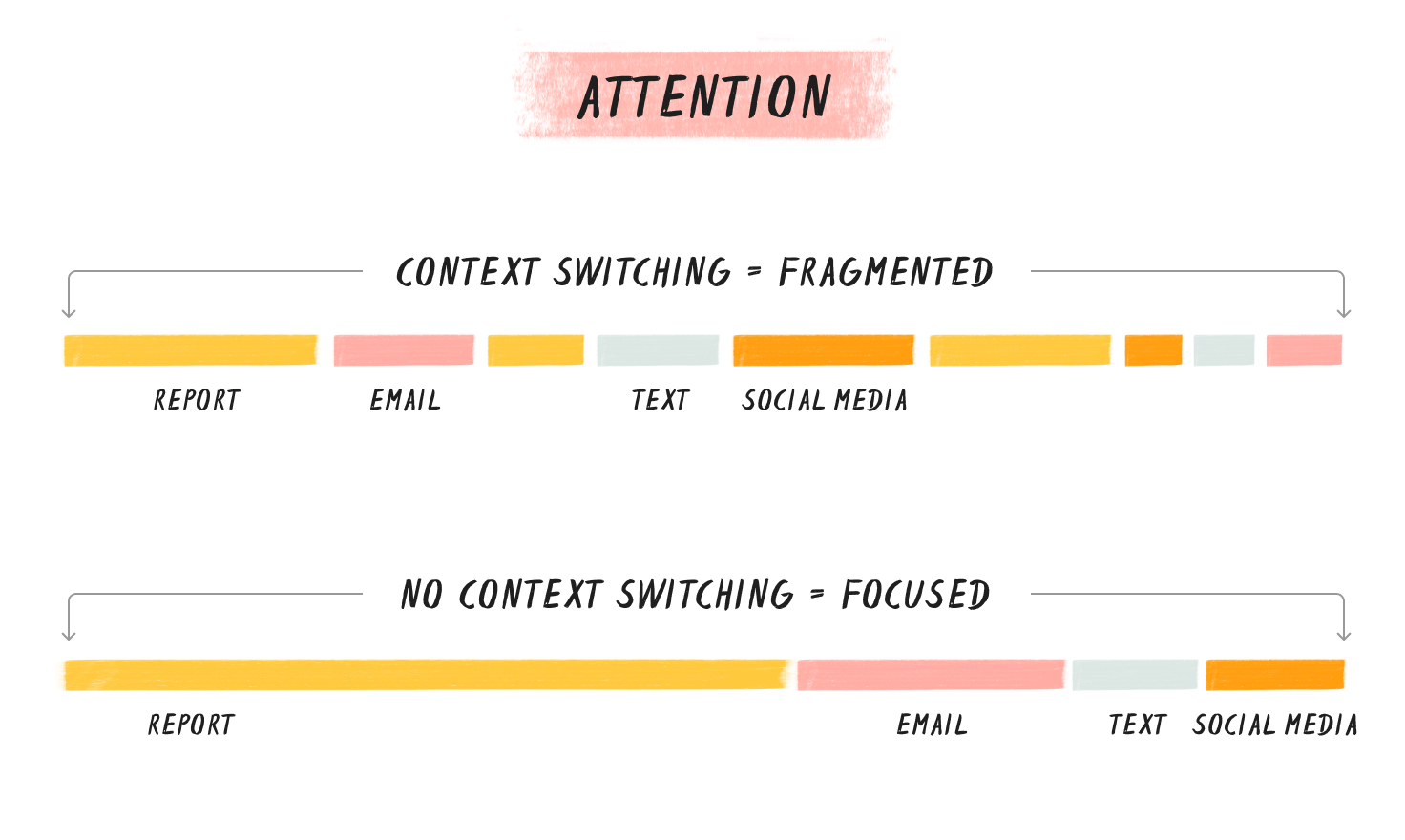
High-value, cognitively-demanding activities — like coding, writing, designing, strategizing, and problem-solving — require long periods of deep, focused work. Synchronous communication requires constant context switching and makes creating large, uninterrupted chunks of time during the workday impossible.
One study found that people compensate for the time lost to workplace interruptions by attempting to work faster, leading to “more stress, higher frustration, time pressure, and effort”. A 2022 Microsoft study found that people often cope by working a "second shift" in the evening when they know they won't be interrupted. This type of synchronous culture quickly leads to burnout.
Async incentivizes higher-quality communication over knee-jerk responses.
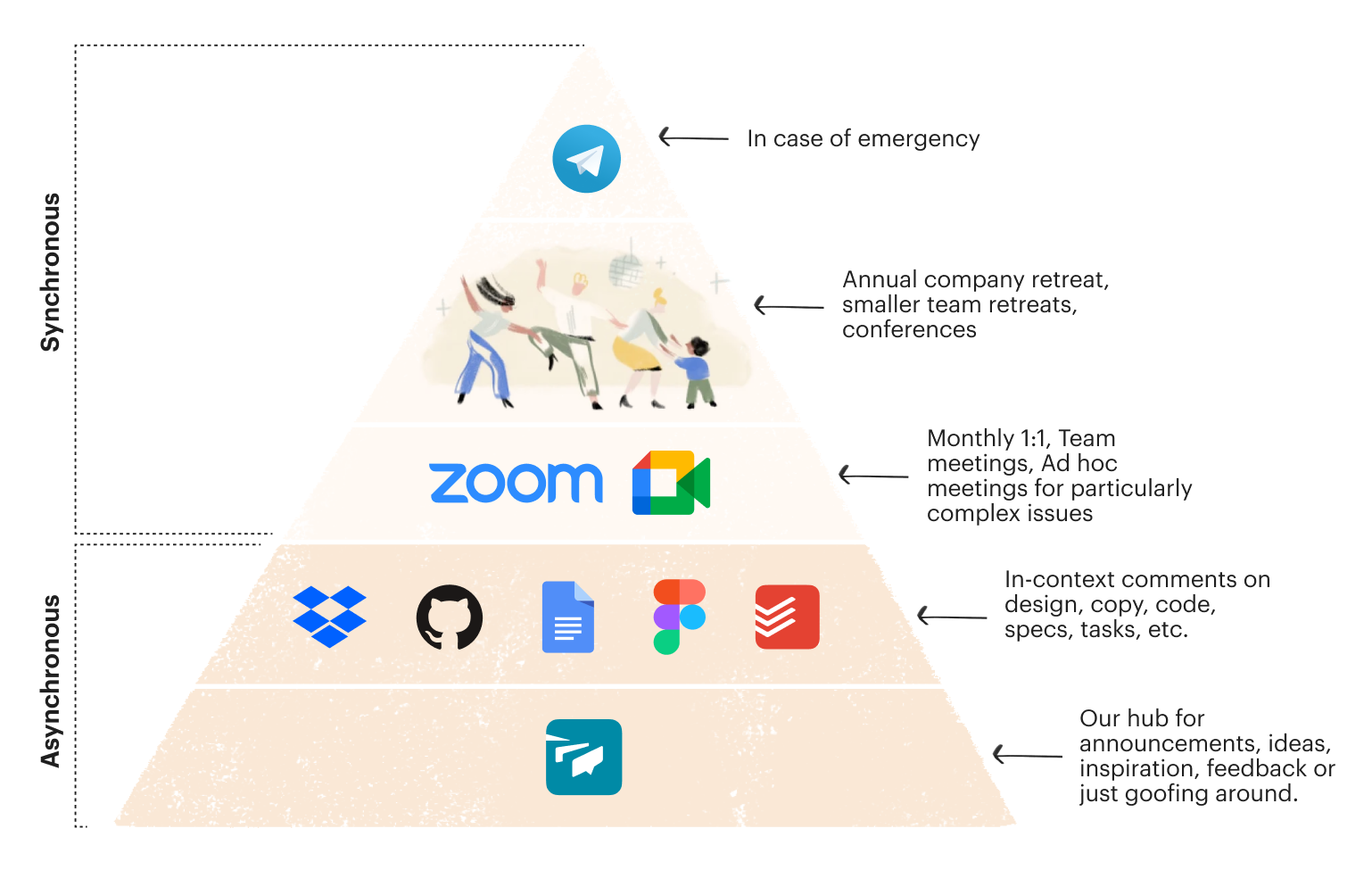
In general, use synchronous communication when the following is true:
• You want to build rapport with people (e.g., a 1-on-1 or team meeting).
• You need to provide critical feedback or discuss other sensitive topics.
• You have a lot of unknowns and you want to brainstorm different ideas and solutions.
• There are a lot of moving variables and you want to bring everyone on the same page quickly, e.g., via a project kickoff meeting.
• A crisis happens that requires immediate attention, e.g., a server crashes. We use Telegram with the notifications turned on at all times for emergency communications only.
Things you can do individually:
Overcommunicate
Plan ahead to give people time to consider your message
Say no to unnecessary meetings
“Thanks for including me! I’m wondering if we could try to solve this in a Twist thread instead?”
“I’ve been in so many meetings lately, but I’m trying to be more disciplined about my schedule. Could we try to solve this without a meeting, first?”
“I’d be happy to give you feedback on that! Before we schedule a meeting, could I review it in Paper/a Google Doc/Figma/a GitLab issue?”
Before meetings, start a Twist thread or document
After meetings, document discussions and outcomes
Turn off notifications – try removing work apps from your phone altogether
Always check your document sharing settings. This seems like a small thing, but if someone needs to request access, it can lead to hours or even a full day of delay in an async workplace.
Evaluate people based on their output and results
Emphasize trust, organization, independence, and accountability.
Adopt a Direct Responsible Individual (DRI) model for management and decision-making.
Set reasonable, team-wide expectations for acceptable response times.
Make transparency and documentation a priority.
Use tools that promote transparency, deep work, and async communication.
For communication-heavy roles like tech support or client services, implement a rotating coverage system.
While we haven't fully adopted an async model because we are a client services team, we promote DND (do-not-disturb) time blocks or full days. During your DND time, you'll have a teammate cover for you on any incoming client comms so that you can truly have undisturbed time to finish a presentation, ideate on strategy, or dive deep into reporting.
Have communication channels for emergencies.